

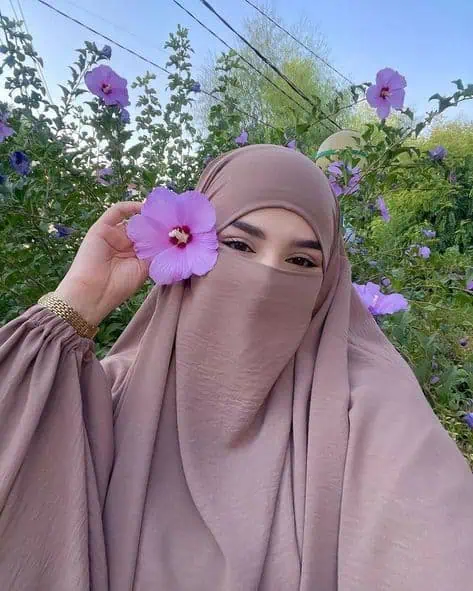
The hijab is an important part of modest dressing for many Muslim women around the world. Although the word “hijab” is often used to describe a headscarf, it actually refers to a much wider concept of modesty in Islam. Over time, different cultures and communities have developed their own styles of hijab. These styles help women express both their faith and their identity. Even though all hijab types share the same purpose of maintaining modesty, they differ in design, appearance, and the amount of coverage they provide.
One of the most common forms of hijab is the simple headscarf, which covers the hair, neck, and sometimes the shoulders. This style is easy to wear and is popular among women of all ages. Another popular type is the Shayla, a long rectangular scarf that is wrapped around the head and pinned at the shoulders. It gives a neat and elegant look and is commonly worn in many Arab countries. A similar yet more covering type is the Khimar, which is a long, cape-like veil that drapes over the upper body. It covers the hair, neck, and shoulders and usually reaches the waist, offering more privacy while keeping the face uncovered.
In Iran and some other regions, many women wear the Chador, a full-body cloak that leaves the face open. It is usually black and flows down from the head to the feet, giving maximum coverage while still allowing freedom of movement. On the other hand, the Niqab covers the face and leaves only the eyes visible. It is worn with an abaya or long loose clothing and is often chosen by women who prefer extra privacy. The Burqa provides the highest level of coverage. It covers the entire body, including the face, with a mesh screen for the eyes. This style is most commonly seen in Afghanistan.
There are also simpler and more modern styles. The Al-Amirah is a two-piece hijab that is very easy to wear. It consists of a fitted cap worn under a matching tube-like scarf. This style is comfortable, especially for students and working women. Many women in Turkey wear the Turkish hijab, known for its fashionable designs and neatly folded edges. In South Asia, the dupatta is commonly used as a head covering. Although it is traditionally part of cultural clothing, many women use it as a form of hijab by draping it over their head and shoulders. Another common style is the abaya with hijab, where women wear a long, loose dress along with a headscarf for full modesty.
Despite the differences in style, all types of hijab serve the same purpose—to uphold modesty, dignity, and self-respect. Each woman chooses the style that suits her comfort, culture, and personal preference. The diversity of hijab styles shows the beauty of Islamic tradition and the freedom women have to express their faith in a way that feels right for them. The hijab is more than just a piece of cloth; it is a symbol of identity, confidence, and devotion.