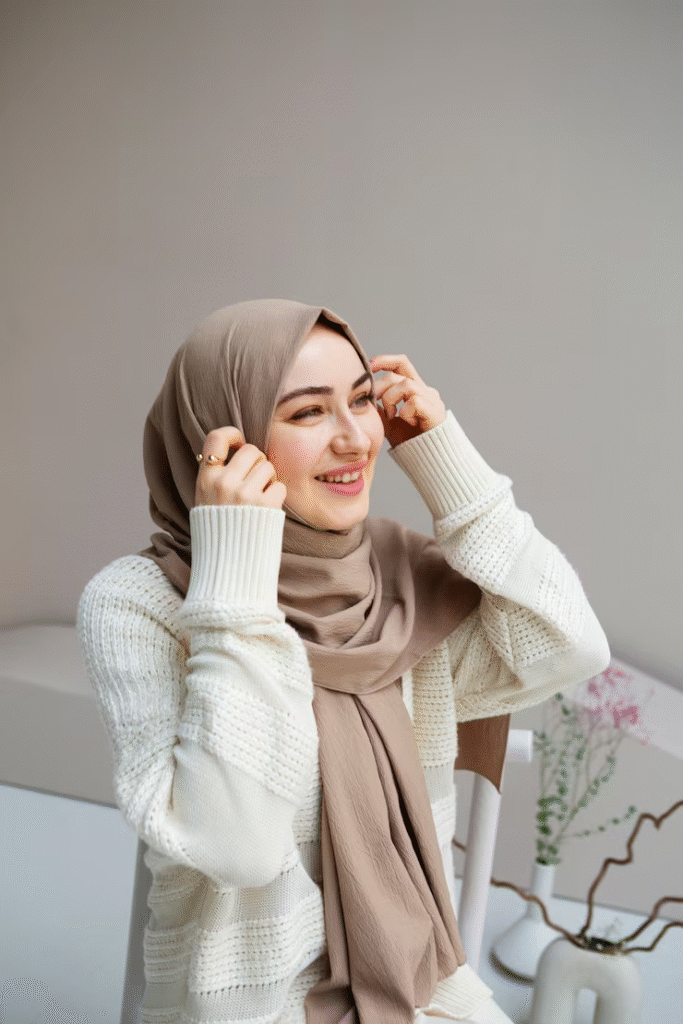

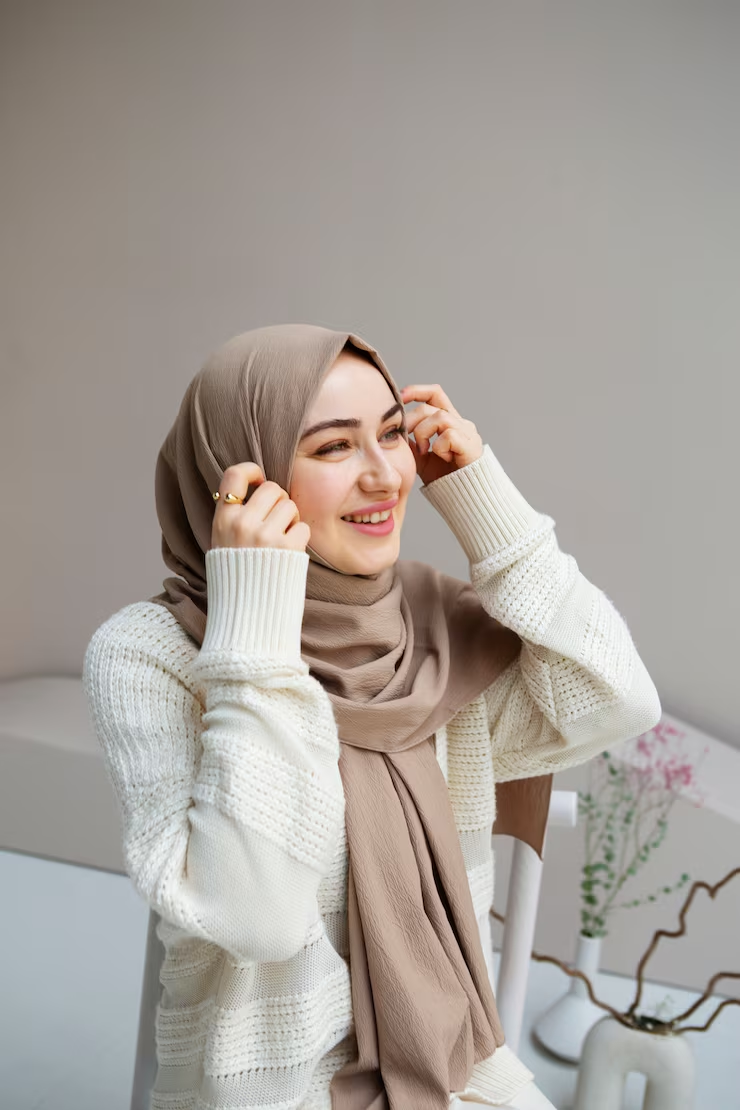
The hijab is more than a piece of cloth. For millions of Muslim women around the world, it is a powerful expression of faith, dignity, identity, and inner strength. Though often misunderstood, the hijab carries a deep spiritual meaning and has evolved into a symbol of empowerment in today’s world.
This blog explores the history, purpose, cultural diversity, modern fashion, and personal significance of the hijab.
What Is the Hijab?
The term hijab comes from the Arabic word that means barrier or covering. In Islam, the hijab represents modesty, privacy, and morality. It includes modest clothing, conduct, and for many Muslim women, covering their hair in public.
While hijab is often seen as a religious obligation, it is also a personal decision that reflects a woman’s relationship with Allah and her own understanding of modesty.
The History of the Hijab
The concept of covering is not new nor exclusive to Islam.
Ancient civilizations—such as the Greeks, Romans, Jews, and Christians—also practiced forms of head covering for women as symbols of respect, class, or devotion.
Islam later formalized the practice as part of modesty guidelines. Over centuries, different regions adopted unique hijab styles, transforming it into a cultural as well as religious identity.